August 22, 2026
The tax bill you inherit is not the one you will pay
In a lot of counties a sale resets the assessment. The seller's tax line is then the last honest month of it, and a model that copies it is wrong from year one.
 Ruben Ortega
August 22, 2026 · 2 min read
Ruben Ortega
August 22, 2026 · 2 min read
The property tax line on a listing usually comes from the last bill the current owner paid. For a house that has not changed hands in a decade, that number can be most of the way to fiction.
Why a sale changes it
Many counties reassess on transfer. The assessed value goes from whatever it was -- set years ago, capped by a homestead limit, appealed once and never revisited -- to something close to what you just paid for it.
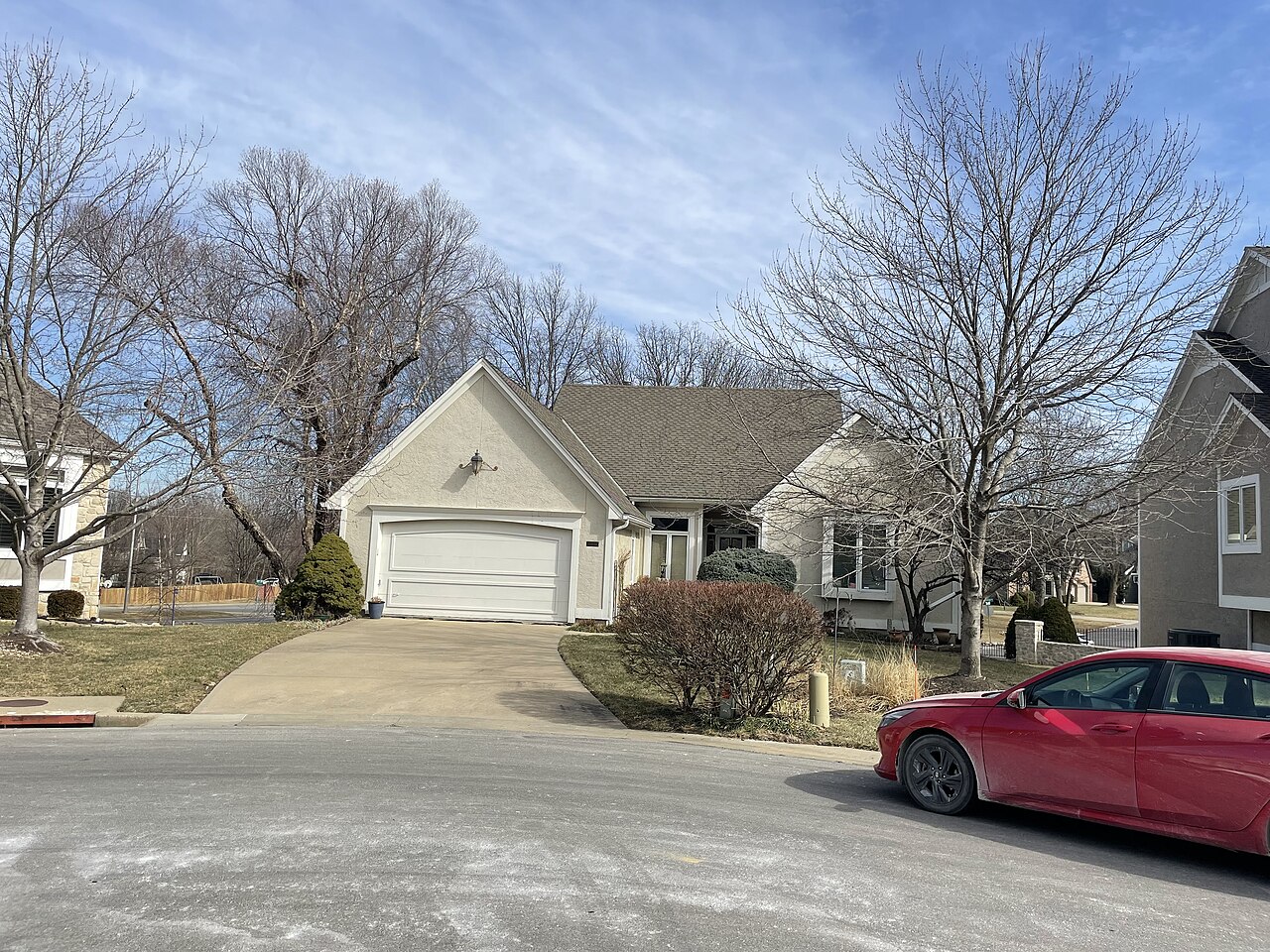
A house bought for $215,000 that has been assessed at $128,000 since 2016 does not keep being assessed at $128,000 because you would prefer it.
What it does to the numbers
Taxes come out of rent before anything else does. A house whose tax line goes from $1,900 to $3,400 has lost $125 a month of net operating income, which is:
- straight off the cash flow,
- straight off the cap rate,
- and straight off the DSCR the lender is reading.
A property that cleared $180 a month on the seller's tax bill clears $55 on yours. Nothing about the house changed.
What we do about it
The tax figure on a Datum listing is the one we expect after a sale in counties that reassess on transfer, not the one on the current bill. Where the county does not reassess on transfer, it is the current bill, because that is then the honest answer.
It is an estimate either way, and it is an assumption you can change.
What to check yourself
- The county assessor's site will say when the parcel was last assessed and at what. A long gap between that and the asking price is the warning.
- Millage rates are public and they move. A reassessment in a year the rate also rises is two increases, not one.
- Homestead and owner-occupant caps do not follow the house. They belong to the person who lived in it.
None of this makes a deal bad. Being surprised by it in month fourteen does.